Best Pressure Washers 2026: Tested by Use Case
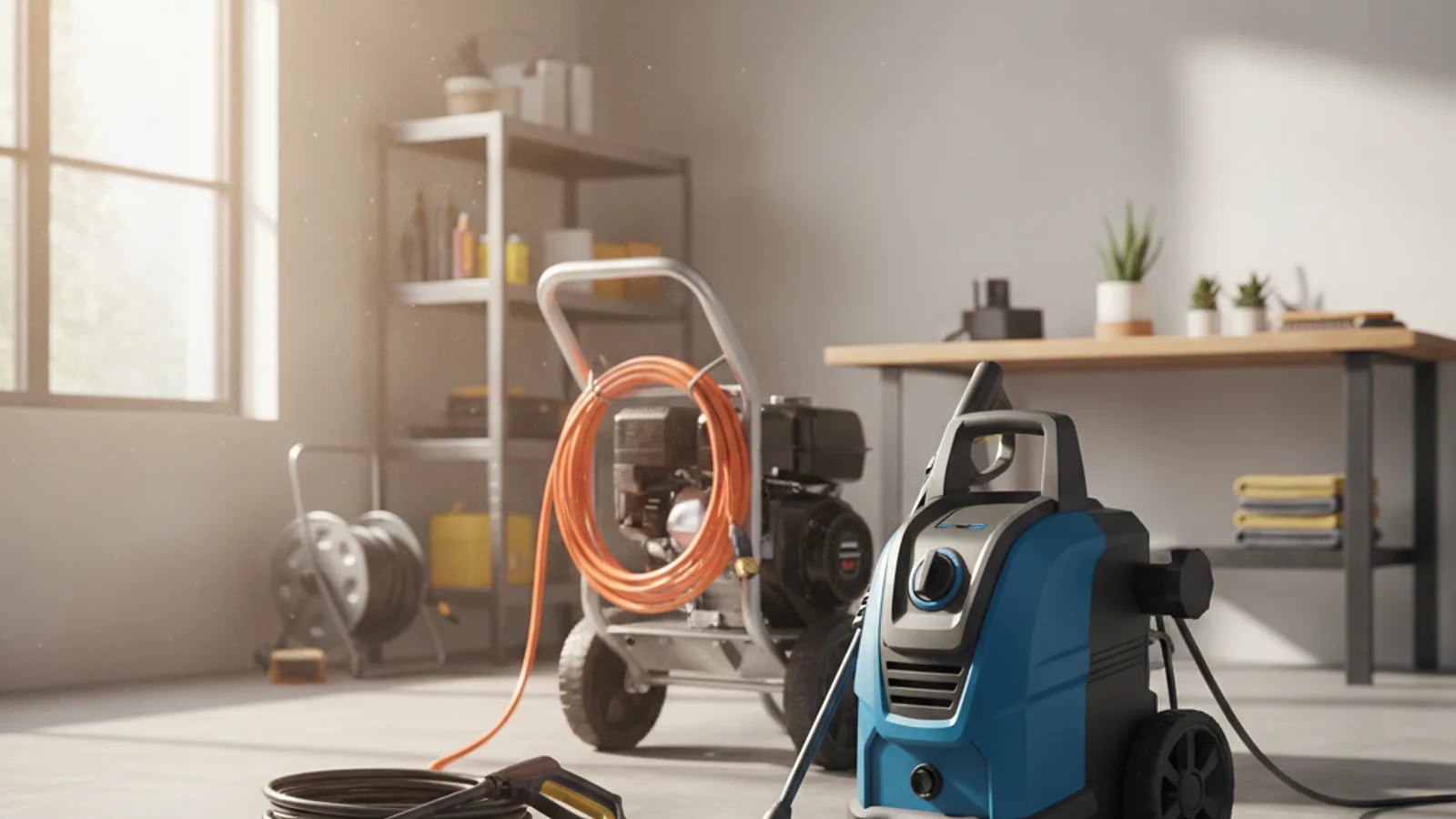
A pressure washer is one of the highest-return tools a homeowner can own, it restores a driveway, deck, siding, or fence in an afternoon that would take days with a scrub brush. The key is matching the right machine to your jobs: too little PSI and it won't clean concrete; too much and you etch wood or strip car paint.
The right pressure washer depends on three questions: how often you'll use it, what surfaces you're cleaning, and whether portability or raw power matters more. This guide gives you a concrete pick for every real use case, from weekend driveway cleaning to stripping paint from a barn.
At a Glance
 Sun Joe Pressure Washer, Electric Power Washer,...
 Sun Joe SPX1500 Pressure Joe 12 Amp Electric Pressure...
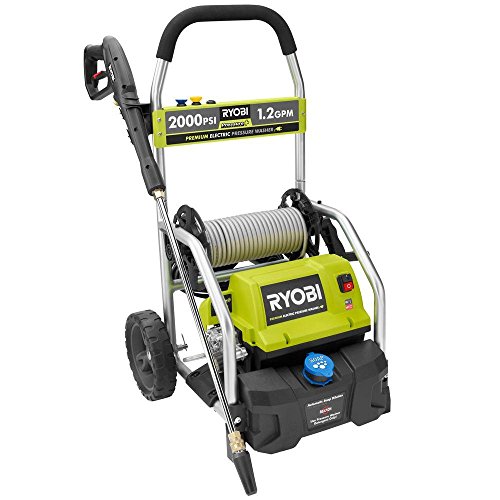 Ryobi RY141900 2,000-PSI 1.2 GPM Electric Pressure Washer
 SIMPSON Cleaning MSH3125 MegaShot 3200 PSI Gas...
 Westinghouse WPX3200 Gas Pressure Washer, 3200 PSI and...
 Karcher K 2 Compact 1600 PSI Portable Electric Power...
Product images and titles from Amazon. As an Amazon Associate we earn from qualifying purchases.
Quick Picks by Use Case
| Use case | Best Pick | PSI | Price |
|---|---|---|---|
| Best overall electric | Sun Joe SPX3000 2030 PSI | 2030 PSI | $120–160 |
| Best budget | Sun Joe SPX1500 1500 PSI | 1500 PSI | $65–90 |
| Best mid-range electric | Ryobi RY141900 1900 PSI | 1900 PSI | $160–200 |
| Best homeowner gas | Simpson MSH3125 3100 PSI (Honda) | 3100 PSI | $300–400 |
| Best heavy-duty gas | Westinghouse WPX3200 3200 PSI | 3200 PSI | $350–450 |
| Best cordless | Ryobi PCL803B ONE+ 600 PSI | 600 PSI | $130–160 (bare) |
| Best compact | Kärcher K2 Compact 1600 PSI | 1600 PSI | $90–130 |
| Best premium electric | Kärcher K5 Premium 2000 PSI | 2000 PSI | $250–320 |
Electric vs. Gas vs. Cordless: Which Type Do You Need?
Electric pressure washers (1400–2500 PSI) plug into a standard outlet and start instantly. They're quieter, need no fuel mixing, and require minimal maintenance, no oil changes, no carb cleaning, no pull-cord wrestling. For 90% of homeowners, driveways, decks, siding, cars, patio furniture, an electric 2000 PSI machine is all you need.
Gas pressure washers (2500–4000+ PSI) run without a power outlet, deliver more raw cleaning power, and handle large-scale jobs without interruption. The tradeoffs: they're louder, heavier, require seasonal maintenance, and must be stored with fresh fuel or stabilizer. Choose gas if you're cleaning large commercial concrete, stripping paint, or regularly working far from an outlet.
Cordless pressure washers (300–700 PSI) run on lithium-ion batteries. They don't replace full-power electric units, 600 PSI won't clean concrete, but they're ideal for rinsing bikes, watering plants, cleaning patio furniture, and washing cars where you want zero hose-and-cord management. Think of them as a powered garden hose, not a true pressure washer.
The 8 Best Pressure Washers of 2026
Sun Joe SPX3000 2030 PSI Electric Pressure Washer
The Sun Joe SPX3000 has been the best-selling electric pressure washer in its category for years, and for good reason. Its 14.5-amp motor delivers 2030 PSI with 1.76 GPM, which is enough for driveways, siding, decks, and gutters. The standout feature is the dual detergent tanks: two 34.4-oz onboard tanks let you preload different soaps for different jobs (one for cars, one for concrete) without switching bottles mid-task. Five quick-connect nozzles (0°, 15°, 25°, 40°, and soap) cover every job from stripping grease to rinsing delicate surfaces.
The hose management keeps things organized, and the 34-foot combined cord and hose length gives you genuine range around a vehicle or along a house wall. Build quality is plastic-heavy but holds up for seasonal homeowner use. The Total Stop System (TSS) shuts the pump off when the trigger isn't pulled, which extends motor life significantly versus budget units that run continuously.
Pros
- Dual detergent tanks, load two soap types at once
- 5 quick-connect nozzles included
- Total Stop System extends pump life
- 2030 PSI handles most homeowner tasks
- Consistent owner reviews over multiple years
Cons
- Plastic construction (not commercial-grade)
- Hose connector can develop slow leaks over time
- Not suitable for large concrete areas (no surface cleaner included)
Sun Joe SPX1500 1500 PSI Electric Pressure Washer
If you need a pressure washer mainly for rinsing patio furniture, washing vehicles, or occasionally cleaning a small deck, the SPX1500 does the job without the SPX3000's price tag or footprint. At 1500 PSI and 1.3 GPM, it won't strip concrete, that's not its job. It excels at surfaces where lower pressure is actually better: car exteriors, outdoor cushions, vinyl siding that doesn't need aggressive cleaning, and garden tools. The 11-amp motor is quiet and starts immediately. Three nozzle options (15°, 25°, and soap) are enough for its target tasks. The SPX1500 is also lightweight enough to carry in one hand up to a second-floor window.
Pros
- Compact and lightweight for easy storage
- Safe for vehicles and delicate surfaces
- Very low price point for occasional use
- Quiet operation vs. gas units
Cons
- 1500 PSI won't clean stained concrete
- Shorter hose than full-size units
- No foam cannon support in base kit
Ryobi RY141900 1900 PSI Electric Pressure Washer
The Ryobi RY141900 hits the sweet spot between the SPX3000's value and the Kärcher K5's build quality. At 1900 PSI with a 14.5-amp motor, it handles decks, driveways, siding, and vehicles without the water-waste of higher-PSI units. What sets it apart is the onboard storage for all five nozzles and the soap tank, plus a real 25-foot high-pressure hose (most budget units give you 20 feet). The gun and wand connection is solid, less wiggle than the Sun Joe. Ryobi backs it with a 3-year consumer warranty, which no Sun Joe unit matches. If you're buying your first serious pressure washer and plan to use it regularly, the RY141900 is the move at this price tier.
Pros
- 3-year warranty (best in class at this price)
- Solid gun/wand connection, less flex than budget units
- 25-foot hose (vs 20 feet on many competitors)
- Onboard nozzle and accessory storage
Cons
- 1900 PSI is mid-range; concrete cleaning is slower than 2300+ PSI
- Heavier than Sun Joe units
Simpson MSH3125 MegaShot 3100 PSI (Honda GC190)
The Simpson MegaShot is the most respected homeowner-grade gas pressure washer because it pairs Simpson's triplex plunger pump (serviceable, built to last 500+ hours) with Honda's GC190 engine, the most reliable small engine in its class. At 3100 PSI and 2.5 GPM, it removes oil stains from concrete, strips weathered deck paint, and blasts mold off brick that a 2000 PSI electric unit leaves behind. Five quick-connect nozzles and a 25-foot hose are included. The steel frame and 10-inch pneumatic wheels handle rough terrain. Unlike lower-cost gas units with CAM pumps (sealed, non-serviceable), the triplex pump can be rebuilt, a machine that lasts 10+ years versus 2-3 years for a big-box special.
Pros
- Honda GC190 engine, most reliable in class
- Triplex plunger pump is rebuildable and long-lasting
- 3100 PSI handles concrete, paint stripping, heavy mold
- Works anywhere, no outlet required
- Pneumatic wheels for rough terrain
Cons
- Requires seasonal maintenance (oil change, fuel stabilizer)
- Loud, ear protection recommended
- Heavier than electric units
- Overkill for cars or wood decks (need careful nozzle selection)
Westinghouse WPX3200 3200 PSI Gas Pressure Washer
When the Simpson isn't enough, stripping paint from a barn, cleaning commercial concrete parking lots, or removing years of embedded stains, the Westinghouse WPX3200 delivers 3200 PSI with 2.5 GPM and a Westinghouse 212cc OHV engine. The unit comes with a professional-grade 5-nozzle set, a 25-foot braided non-marring hose, and an onboard soap tank. The low oil shutdown sensor protects the engine from running dry. It's heavier than the Simpson but includes larger pneumatic tires and a folding handle for easier storage. For regular heavy-duty residential and semi-commercial use, this is the top value pick at its PSI tier.
Pros
- 3200 PSI with 2.5 GPM, real high-volume cleaning power
- Braided non-marring hose (less surface marking)
- Onboard low-oil shutdown sensor
- Folding handle for compact storage
- Lower cost than equivalent Honda-engine units
Cons
- Westinghouse engine requires careful break-in period
- Heavier than compact gas units
- Annual carburetor cleaning recommended for seasonal storage
Ryobi PCL803B ONE+ 600 PSI Cordless Pressure Washer
The Ryobi PCL803B is the best cordless pressure washer for users who already own Ryobi ONE+ batteries. At 600 PSI and 0.7 GPM, it won't clean concrete or strip stubborn stains, think of it as a powered garden hose with precision control. It excels where traditional units are annoying: washing bikes and camping gear, rinsing mud off vehicles in a field, hosing down patio cushions without dragging a 50-foot hose, or cleaning near a pool area without a power outlet nearby. The unit draws from a bucket, tank, or garden hose input. Battery runtime is approximately 20 minutes on a 4Ah battery, which is enough for most spot-cleaning tasks. If you don't own Ryobi batteries, the economics shift, factor in battery cost.
Pros
- Works anywhere, no outlet or water connection required (bucket draw)
- Zero cord tangle or hose management
- Compatible with Ryobi ONE+ 18V batteries (200+ tools)
- Safe for delicate surfaces at 600 PSI
Cons
- 600 PSI is not a pressure washer replacement, light rinse only
- ~20-min runtime per 4Ah battery
- Expensive if you need to buy batteries and charger too
Kärcher K2 Compact 1600 PSI Electric Pressure Washer
Kärcher is the global leader in pressure washers for a reason: build quality that outlasts almost every Amazon-native brand. The K2 Compact weighs just 10.6 lbs and fits in a cabinet under a sink, yet delivers 1600 PSI with 1.06 GPM, sufficient for cars, patio furniture, bikes, and light deck cleaning. The Vario Power Spray wand adjusts pressure with a twist rather than nozzle swapping, genuinely convenient. A quick-connect dirt blaster rotary nozzle is included for tougher spots. The German-engineered pump is quieter and more durable than Sun Joe's motor at a similar price. For apartment dwellers, condo owners, or anyone with limited storage, the K2 Compact is the best-built compact pressure washer available.
Pros
- 10.6 lbs, lightest serious pressure washer
- Vario Power wand adjusts pressure without swapping nozzles
- Kärcher pump quality outlasts most budget brands
- Quiet German motor
- Compact enough for apartment storage
Cons
- 1600 PSI won't clean oil-stained concrete
- Shorter hose than full-size units
- Higher price per PSI than Sun Joe
Kärcher K5 Premium 2000 PSI Electric Pressure Washer
The Kärcher K5 is the buy-once pressure washer for homeowners who want full electric power without the gas maintenance headache. At 2000 PSI and 1.4 GPM, the water-cooled induction motor (not the cheaper universal motors in budget units) runs cooler, quieter, and lasts significantly longer. The K5 Premium includes the Vario Power Spray wand, the DirtBlaster rotary nozzle, a 25-foot hose, a 1.6-gallon onboard detergent tank, and hose storage that keeps everything organized. The hose-reel system and easy-connect system make setup and takedown fast. Kärcher's water-cooled induction motor is rated for up to 500 hours of use, most homeowners won't approach that in 10 years of seasonal use. If you've bought and replaced two $150 pressure washers, the K5 is the better long-term economics.
Pros
- Water-cooled induction motor, significantly longer lifespan than air-cooled
- Vario Power wand + DirtBlaster rotary nozzle both included
- Onboard hose and accessory storage
- Quieter than any gas unit
- 2000 PSI handles driveways, siding, vehicles, decks
Cons
- 2× the price of Sun Joe at similar PSI
- Heavier than compact units
- Requires outlet, no battery/gas option
Pressure Washer Decision Guide
| Surface | Min PSI Needed | Max Safe PSI | Best Nozzle |
|---|---|---|---|
| Car exterior | 1000 | 1900 | 40° (white) or 25° (green) |
| Wood deck | 1200 | 1500 | 25° (green), sweep across grain |
| Composite deck | 1000 | 1500 | 40° (white), manufacturer guidance |
| Vinyl siding | 1300 | 2000 | 40° (white), work top-down |
| Brick & masonry | 1500 | 2500 | 25° (green) or turbo nozzle |
| Concrete driveway | 2000 | 4000 | 25° (green) or surface cleaner |
| Oil stains on concrete | 2500 | 4000 | Turbo/rotary nozzle + degreaser |
| Paint stripping (deck) | 2500 | 3500 | 15° (yellow) or 0° (red) with care |
Essential Pressure Washer Accessories
- Rotating surface cleaner, The single most useful upgrade for concrete cleaning. Attaches to your wand and spins two jets in a circle, eliminating tiger-striping and cutting cleaning time in half on flat surfaces. Get one sized to your PSI (1500–2000 PSI units use a smaller surface cleaner than 3000 PSI gas units).
- Foam cannon, Mixes car shampoo or deck cleaner into thick foam that clings to surfaces for 5–10 minutes of dwell time before rinsing. Makes car washes dramatically more effective. Requires at least 1.1 GPM flow rate to foam properly, check your washer's spec before buying.
- Turbo/rotary nozzle, Spins a 0° jet in a circular pattern, delivering 3–4× more cleaning impact at the same PSI. Essential for concrete stains a 25° nozzle won't remove. Match to your PSI rating (buy slightly above your unit's PSI to avoid chatter).
- Telescoping extension wand, Adds 12–18 inches of reach for second-story siding, gutters, and the underside of vehicles. Most wands extend to 24 inches and attach to standard M22 fittings.
- Gutter cleaning kit, A curved wand attachment that hooks over the gutter lip and lets you blast debris out while standing on the ground. Genuine time-saver versus hand-cleaning or ladder work.
- Concrete cleaner / degreaser, Apply before pressure washing oil stains. Let it dwell 10–15 minutes, agitate with a stiff brush, then rinse. Pressure alone without a degreaser won't lift embedded motor oil from concrete.
5 Pressure Washer Mistakes to Avoid
- Using a 0° (red) nozzle on any surface you care about. The 0° jet concentrates all PSI into a pencil-point stream, it will etch concrete, punch holes in wood, strip paint from cars, and cut through vinyl siding. The only legitimate use is blasting caked mud off equipment. Always start with a 25° or 40° nozzle and work down only if needed.
- Not using a degreaser before concrete cleaning. A pressure washer is very good at removing loose dirt. It's mediocre at removing embedded oil without chemical help. Degreaser + dwell time + pressure is the correct sequence for stained concrete.
- Starting at full pressure on wood. Start at 1200–1500 PSI on wood decks, testing on a hidden area first. Sweep with the grain at a consistent distance. Staying too long in one spot or getting too close will raise grain and create fuzz that takes sanding to fix.
- Storing with water left in the pump (for gas units). After seasonal storage, run pump protector/anti-freeze fluid through the system before long-term storage. Standing water leads to corroded check valves and cracked seals by spring.
- Buying more PSI than you need. A 4000 PSI unit in the hands of someone cleaning deck boards is an expensive mistake. Match PSI to use case, you pay more, the machine is harder to control, and you're more likely to damage surfaces.
Frequently Asked Questions
How much PSI do I need?
1000–1500 PSI for cars and furniture; 1500–2000 PSI for decks and siding; 2000–2500 PSI for driveways and concrete; 2500+ PSI for stripping paint or cleaning commercial concrete. More PSI damages delicate surfaces, always start lower and increase only if needed.
Is gas or electric better?
Electric is better for 90% of homeowners: quieter, less maintenance, starts instantly, and 2000 PSI handles driveways, decks, and siding. Choose gas only for large commercial concrete areas, paint stripping, or if you need to work far from an outlet.
Can I pressure wash my car?
Yes, use a 40° (white) or 25° (green) nozzle, keep the wand 12–18 inches from the surface, and stay at 1200–1900 PSI. Never use a 0° nozzle on paint. A foam cannon pre-soak with car-safe soap dramatically improves results.
What's the best accessory to buy first?
A rotating surface cleaner if you plan to clean concrete or large flat areas, it eliminates streaking and cuts cleaning time in half. A foam cannon if you mainly wash vehicles. Both are under $30 and are the highest-ROI pressure washer upgrade.
How do I clean concrete without streaking?
Use a surface cleaner attachment (not a spray wand), apply a concrete degreaser for oil stains and let it dwell 10 minutes, then rinse in overlapping passes in one direction. A 25° nozzle at 2000+ PSI handles general concrete; a turbo nozzle handles persistent stains.