Best Cordless Drills 2026: Tested by Use Case
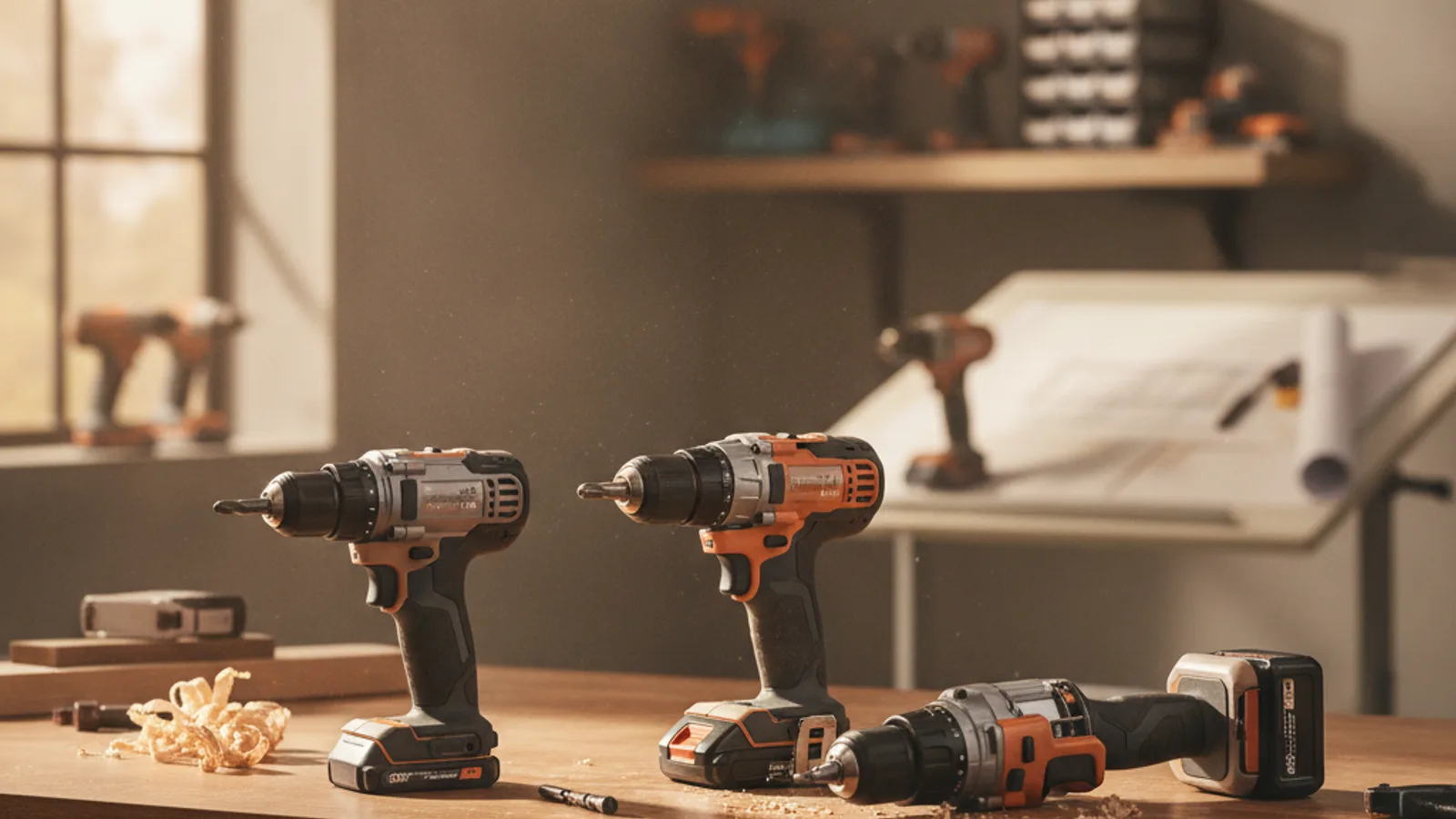
Cordless drills split into three real tiers: homeowner-grade (Ryobi, Black+Decker, affordable, light duty, easy to find batteries for), prosumer (DeWalt, Bosch, brushless motors, 5-year warranties, pro-grade duty cycles), and professional (Milwaukee M18 FUEL, highest torque, most tools in the ecosystem, what contractors run daily for years).
The right drill depends on how often you use it, what you're drilling into, and whether you already own batteries from a particular brand. This guide covers every real use case with a concrete pick for each.
At a Glance
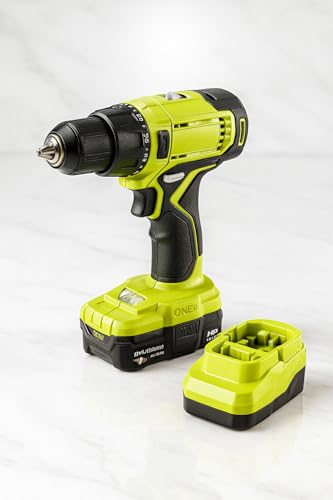 18V Cordless 1/2 in. Drill/Driver Kit with (1) 1.5 Ah...
 DEWALT ATOMIC 20V MAX* Cordless Drill, 1/2-Inch, Tool...
 Milwaukee 2804-20 M18 FUEL 1/2 in. Hammer Drill (Tool...
 DEWALT 20V MAX Cordless Drill and Impact Driver, Power...
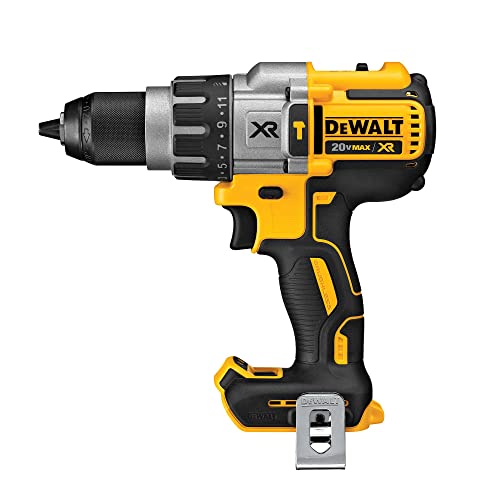 DEWALT 20V MAX XR Cordless Hammer Drill Driver...
 BOSCH Cordless Drill PS31-2A 12V Max 3/8 Inch...
Product images and titles from Amazon. As an Amazon Associate we earn from qualifying purchases.
Quick Picks by Use Case
| Use case | Best Pick | Why | Price (kit) |
|---|---|---|---|
| Best overall (DIY kit) | DeWalt DCD791D2 | Brushless, 2 batteries, compact, 5-yr warranty | $180–220 |
| Best budget kit | Ryobi PCL206K2 | 18V ONE+, 2 batteries, works with 300+ Ryobi tools | $80–100 |
| Most compact/lightweight | DeWalt DCD708B Atomic | 2” shorter than standard, same 20V MAX platform | $90–110 (bare) |
| Best for pros | Milwaukee M18 FUEL 2804 | Highest torque in class, 5-yr warranty, huge ecosystem | $150–180 (bare) |
| Drill + impact driver combo | DeWalt DCK240C2 | Both tools + 2 batteries for less than buying separately | $150–200 |
| Hammer drill (masonry) | DeWalt DCD996B | 3-speed, 820 UWO, handles concrete and brick | $160–200 (bare) |
| Ultra-compact 12V | Bosch PS31-2A | 2.4 lbs, tight spaces, full-featured for light work | $100–130 |
| Best corded backup | DeWalt DWD112 | 7A corded, unlimited runtime for drilling concrete with SDS bit adapter | $70–90 |
Best Overall Cordless Drill Kit
For a homeowner or active DIYer who wants one drill that handles everything, assembling furniture, hanging shelves, building a deck, drilling through studs, a brushless 20V kit with two batteries is the right answer. You don’t want to run out of battery mid-project.
DeWalt DCD791D2 (20V MAX XR Brushless Compact)
The DCD791D2 is the drill most professional review outlets have named as their top pick for three consecutive years, and for good reason: it’s brushless (runs cooler, lasts longer), compact enough for tight spaces, delivers 460 UWO of power, and comes with two 2.0Ah batteries. It fits the full DeWalt 20V MAX battery platform, if you ever buy a circular saw, reciprocating saw, or impact driver from DeWalt, those batteries are fully interchangeable.
Two speeds (0–450 / 0–1,500 RPM) handle both slow precision work and fast driving. The half-inch all-metal chuck doesn’t slip on tough bits. DeWalt’s 3-year warranty and widespread service centers are real advantages over cheaper brands.
Pros
- Brushless motor, longer runtime, longer life
- Comes with 2 batteries + charger (kit)
- Compact body fits in tight spaces
- Full 20V MAX platform compatibility
- 3-year warranty, nationwide service
Cons
- 2.0Ah batteries run down faster on big jobs (upgrade to 5.0Ah)
- Bare tool is pricey without the kit deal
Best Budget Cordless Drill Kit
If you want a capable drill without spending $200, and especially if you might want other cordless tools down the road, the Ryobi ONE+ ecosystem is the best value proposition in power tools. The same 18V battery powers over 300 Ryobi tools, circular saws, sanders, leaf blowers, string trimmers, shop vacs.
Ryobi PCL206K2 (18V ONE+ HP Brushless Drill)
The PCL206K2 is Ryobi’s brushless flagship drill, a major step up from the older brushed models. It delivers more torque than most homeowners will ever need, includes two 2.0Ah batteries, and costs about half the price of the DeWalt kit. The PCL is the newer HP brushless line, make sure you buy the PCL (not the older P-series) if you want brushless.
The 24-position clutch and 2-speed gearbox (0–500 / 0–1,750 RPM) match what you’d find on more expensive drills. Battery charges in 55 minutes. At under $100 with two batteries, this is the best entry point for a homeowner just building out a tool collection.
Pros
- Best price for a brushless drill kit
- 18V ONE+ battery works in 300+ Ryobi tools
- 2 batteries + charger included
- 24-position clutch for screw precision
Cons
- Ryobi battery not compatible with DeWalt/Milwaukee
- Slightly more vibration than DeWalt/Milwaukee at high load
- Ryobi service network smaller than DeWalt/Milwaukee
Best Compact Cordless Drill (Tight Spaces)
Standard drill bodies are 7.5–8 inches long. The DeWalt Atomic line shaved 2 inches off that, the DCD708B is 5.9 inches front to back, which makes a real difference in kitchen cabinet work, framing inside closets, and any application where you’re reaching into a box or corner.
DeWalt DCD708B Atomic (20V MAX Compact)
Same 20V MAX battery platform as the DCD791D2 but 33% shorter body. 380 UWO, slightly less torque than the full-size model, but plenty for the tight-space jobs where compact drills shine. The brushless motor gives you more runtime from the same battery, which matters when you’re running on a 2.0Ah compact battery in a hard-to-reach spot.
The DCD708B is a bare tool, if you’re buying into DeWalt already, you can share batteries from your existing kit. Or pair it with the DCB203 2.0Ah battery (I own this one; it has earned its spot.) for a compact, lightweight combo that still delivers full brushless performance.
Pros
- 5.9” body, 2” shorter than standard drills
- 3.44 lbs, noticeably lighter all day
- Full 20V MAX platform compatibility
- Brushless for longer runtime per charge
Cons
- Bare tool only, need batteries separately
- 380 UWO vs 460 on the full-size DCD791
- Not ideal for heavy-duty drilling into hardwood or metal
Best Professional Cordless Drill
If you use a drill daily on jobsites, framing, cabinetry, electrical rough-in, plumbing, the Milwaukee M18 FUEL platform is what most professional contractors have standardized on. The FUEL line uses Milwaukee’s PowerState brushless motor, Redlink Plus intelligence, and Redlithium batteries, all of which are meaningfully better than consumer-grade drills at extended duty cycles.
Milwaukee M18 FUEL 2804-20
The M18 FUEL 2804-20 delivers 1,200 in-lbs of torque, roughly 25% more than the DeWalt DCD791, with a POWERSTATE brushless motor rated for 1,500+ RPM in high gear. The 13-stage clutch provides precise screw-driving control. The 4-pole motor runs significantly cooler under sustained load than competitive drills, which is what you notice after hour 6 on a framing day.
Milwaukee’s M18 ecosystem includes 250+ tools from the compact M12 line to the massive MX FUEL platform. If you buy one M18 FUEL tool, the batteries become worth the investment. The 5-year tool warranty and Milwaukee’s legendary service network close the deal for professionals.
Pros
- 1,200 in-lbs torque, strongest in class
- Runs cooler under extended duty cycle
- 250+ tool ecosystem; one battery platform
- 5-year tool warranty
- Redlink Plus prevents overload damage
Cons
- Bare tool only, batteries cost $80–180 each
- Overkill for occasional homeowner use
- M18 batteries don’t fit other brands
Best Drill + Impact Driver Combo Kit
Most active DIYers eventually own both a drill and an impact driver. The drill is for drilling holes and precision screw-driving. The impact driver is for driving long screws, lag bolts, and deck fasteners without camming out or requiring wrist strength. Buying them as a combo kit saves $40–80 versus buying separately.
DeWalt DCK240C2 (20V MAX Drill + Impact Driver Kit)
The DCK240C2 includes the DCD771 drill (20V MAX, 2-speed, 300 UWO) and the DCF885 impact driver (1/4” hex, 1400 in-lbs impact torque) with two 1.5Ah batteries and a charger. Both tools share the same 20V MAX batteries. The set typically costs $150–200, the drill alone at the same tier would run $90–120, so you’re effectively getting the impact driver for $40–60.
The drill in this kit is brushed (not brushless), which is the tradeoff at this price point. If you prefer brushless in both tools, step up to the DeWalt DCK287D2 (I own this one; it has earned its spot.) (~$220–280 with 2 batteries).
Pros
- Two tools + 2 batteries + charger in one kit
- Saves $40–80 vs buying drill + driver separately
- Full 20V MAX compatibility
- Impact driver handles deck screws without camming out
Cons
- Brushed drill (not brushless) at this price tier
- 1.5Ah batteries run down faster on big jobs
- Step up to DCK287D2 for brushless both tools
Best Hammer Drill (Concrete and Masonry)
A standard drill will overheat and destroy its chuck trying to drill through concrete, brick, or block. A hammer drill adds a pounding action along the rotational axis, chipping the surface as the bit spins. You need one for anchoring into concrete foundations, drilling brick walls for TV mounts, or setting anchor bolts.
DeWalt DCD996B (20V MAX XR Brushless 3-Speed)
The DCD996B is DeWalt’s flagship hammer drill: 820 UWO, three speeds (0–350 / 0–1,500 / 0–2,000 RPM), and a mechanical clutch with 15 positions. The three-speed transmission is the key differentiator, slow speed for mixing or large bits, mid for driving fasteners, high for fast drilling. The hammer mode is aggressive enough to handle concrete block and cinder block without an SDS chuck.
For heavy masonry work (drilling more than 20 anchors in a day, or drilling into hard stone), upgrade to a full SDS+ rotary hammer like the DeWalt DCH273 (I own this one; it has earned its spot.). But for 90% of homeowner masonry needs, the DCD996 covers it.
Pros
- 3-speed transmission for versatile work
- 820 UWO, handles concrete and masonry
- Brushless for sustained duty cycle
- Full 20V MAX platform
Cons
- Bare tool only, batteries not included
- Heavy (4.6 lbs bare) compared to compact drills
- For very hard stone, SDS rotary hammer is the right tool
Best Ultra-Compact 12V Drill
12V drills weigh under 2.5 lbs and fit in spaces a full-size drill can’t reach. The tradeoff is lower torque, they’re not for drilling 1” holes in joists, but for assembling furniture, cabinet installation, light fastening, and overhead work where arm fatigue is the real constraint.
Bosch PS31-2A (12V Max 3/8” Kit)
The PS31-2A is 6.75 inches long and 2.4 lbs, meaningfully smaller than any 18V/20V drill. Despite the size, it delivers 265 in-lbs of torque across 20 clutch settings, which handles most household fastening tasks. The kit includes two 2.0Ah batteries (good for a full day of light work) and a 30-minute charger. Bosch’s reputation for build quality holds up here, these drills last years of regular use.
The 12V Bosch battery only works in the 12V line, so this is a second-drill purchase rather than an ecosystem entry point. At $100–130 kit price, it’s reasonable for what it is.
Pros
- 2.4 lbs, lightest full-featured drill on this list
- 6.75” body fits the tightest spaces
- 30-minute fast charger
- 20-position clutch for screw precision
Cons
- 12V battery, doesn’t integrate with larger Bosch 18V line
- Not for heavy drilling or long screws in hardwood
- Lower torque than any 18V/20V drill
Brushless vs Brushed, Is It Worth the Extra $20?
Brushed drills use carbon brushes to transfer current to the motor. The brushes wear down over time, generate heat, and reduce efficiency. Brushless motors remove the brushes entirely, using electronic controllers instead. The practical difference:
| Factor | Brushed | Brushless |
|---|---|---|
| Runtime per charge | Baseline | 30–50% longer |
| Motor temperature (heavy use) | Runs hot | Runs cool |
| Motor lifespan | Brushes need replacement ~$20 | Motor outlasts the tool |
| Electronics overhead | Simple circuit | Controller adjusts torque/speed |
| Price premium | Baseline | $15–40 more at same tier |
Verdict: Brushless is worth it for almost everyone. If you use the drill more than a few times a month, the extra runtime, longevity, and heat reduction pay back the premium quickly. Only buy brushed if budget is the absolute constraint.
What Voltage Do You Actually Need?
Higher voltage isn’t always better, it means heavier batteries and a bigger drill body. Match voltage to your use:
- 12V: Assembly work, cabinet installation, overhead work where weight matters. Light duty only.
- 18V / 20V MAX: The sweet spot for 95% of users. Handles decks, framing, concrete (with hammer mode), metal, hardwood. Good battery runtime. This is what most DIYers and contractors use.
- 60V / FlexVolt: For high-torque applications, mixing thick compounds, large-diameter hole saws, extended concrete drilling. Usually overkill unless you know you need it.
Note: DeWalt’s "20V MAX" and Ryobi/Milwaukee’s "18V" are measured differently (peak vs nominal) but perform similarly in practice. Don’t be swayed by the naming.
Drill Accessories to Have on Hand
- Titanium drill bit set (21-piece), titanium nitride coating stays sharp longer than standard HSS bits. Have a full set from 1/16” to 1/2”.
- Impact-rated driver bit set, standard bits shatter under impact. Impact-rated bits flex instead of breaking. Don’t use standard bits in an impact driver.
- Hole saw kit (carbide teeth), for door locks, electrical boxes, plumbing penetrations. Bi-metal kits include 5–10 common sizes.
- Spade bit set (6-piece), fast wood boring for cable routing and plumbing runs. Much cheaper than Forstner bits for rough work.
- Magnetic bit holder (6-inch extension), holds bits magnetically so screws don’t drop. The most-used $5 tool in any drill kit.
- Right-angle drill attachment, converts your standard drill for drilling/driving where the body won’t fit. Under $30, saves you buying a dedicated right-angle drill.
- Masonry bit set + concrete anchors, if your drill has hammer mode, you need proper masonry bits (carbide tip) and the right anchors for your application.
Frequently Asked Questions
What voltage cordless drill do I need for DIY?
For most homeowners, an 18V or 20V MAX drill handles 95% of tasks including assembling furniture, hanging shelves, driving deck screws, and drilling through wood and drywall. 12V drills are lighter and ideal for light assembly; only users who drill into metal or masonry regularly need the extra torque of a higher-voltage hammer drill.
Brushless vs brushed drill, is it worth the extra cost?
Yes for almost everyone. Brushless drills run 30–50% longer per charge, run cooler, last 2–3× longer before needing service, and deliver more consistent torque. The price gap has narrowed, many brushless kits are now just $20–40 more than brushed. If you’ll use the drill more than a few times a year, brushless pays for itself quickly.
Should I buy DeWalt, Milwaukee, or Ryobi?
If you already own batteries in a brand’s system, stay with that brand, battery compatibility across tools is the biggest cost-saver. Starting fresh: DeWalt and Milwaukee are professional-grade with the widest tool ecosystems; Ryobi ONE+ is the best budget ecosystem for homeowners (over 300 ONE+ tools share the same battery). For occasional DIY, Ryobi wins on value. For daily professional use, Milwaukee M18 FUEL is the performance leader.
What’s the difference between a drill and an impact driver?
A drill spins continuously and is best for drilling holes and driving occasional screws. An impact driver adds rotational impacts 50 times per second, it drives long screws and lag bolts without camming out or requiring wrist torque. For decks, fences, and heavy fastening, an impact driver is more efficient. Most DIYers eventually want both; combo kits give you the drill + impact driver together for less than buying separately.
Do I need a hammer drill for concrete?
Yes. A standard drill cannot efficiently drill into concrete, brick, or masonry, it’ll overheat and damage the chuck. A hammer drill adds a pounding action along the axis to break the surface as it spins. For occasional masonry work (anchoring into a foundation, mounting on brick), a combo hammer drill/driver covers all bases. For heavy masonry work, a dedicated rotary hammer (SDS chuck) is the right tool.