Topsoil Calculator Yards: Complete Guide to Measuring and Estimating Topsoil Needs
· By DIY Calc
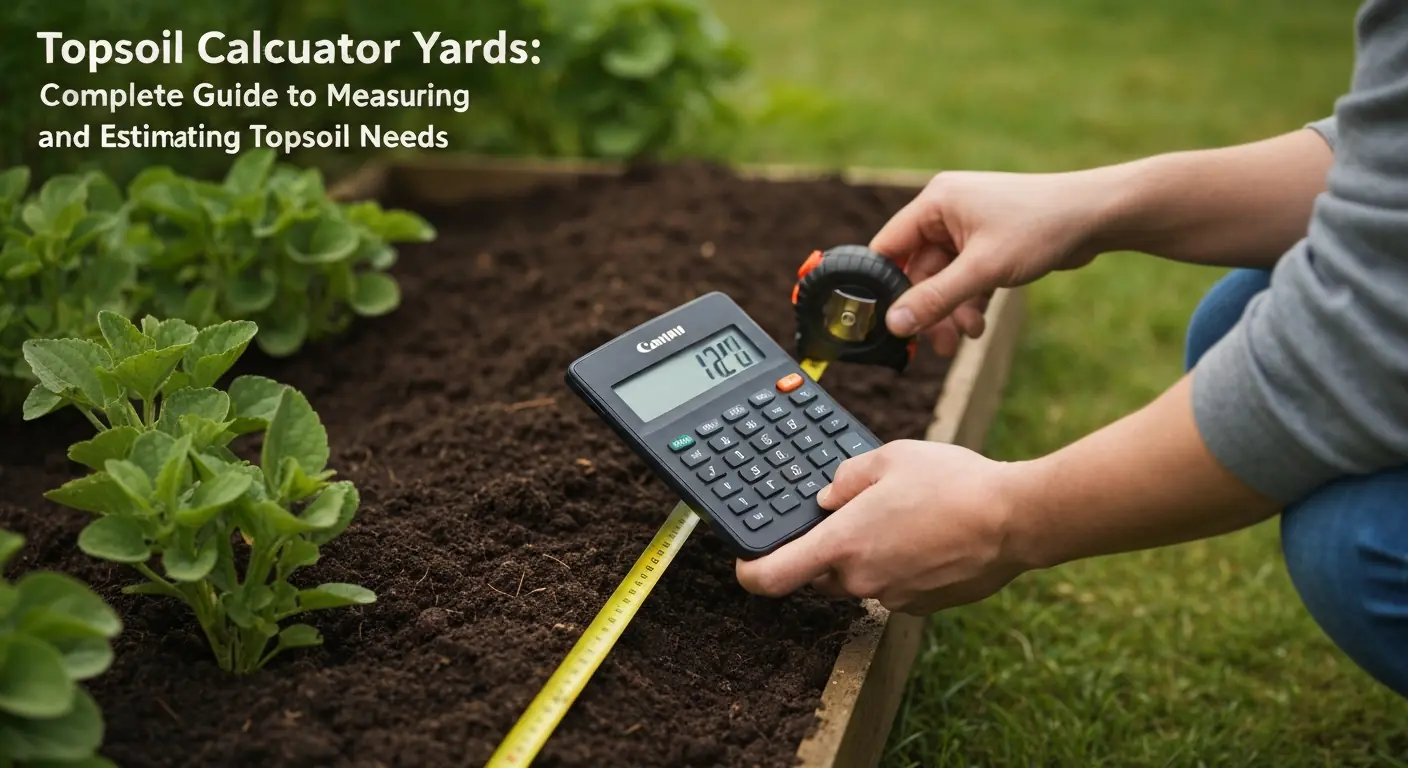
Understanding the Importance of a Topsoil Calculator Yards Tool
Whether you're planning a new garden bed, reseeding your lawn, or working on a major landscaping project, knowing exactly how much topsoil you need is crucial for both your budget and project success. A topsoil calculator yards tool takes the guesswork out of material estimation, helping you order the right amount of soil without waste or shortages.
Topsoil is the uppermost layer of earth that contains the highest concentration of organic matter and microorganisms. It's where most of your plants' roots will live and thrive, making it essential to get both the quality and quantity right. Miscalculating your topsoil needs can lead to expensive delays, multiple delivery fees, or having to dispose of excess material.
How to Use a Topsoil Calculator Yards System
Using a topsoil calculator yards tool involves several key measurements and considerations. The basic formula calculates volume based on the area you need to cover and the depth of soil required.
Basic Calculation Formula
The fundamental calculation for determining topsoil needs follows this formula:
Volume (cubic yards) = Length (feet) × Width (feet) × Depth (feet) ÷ 27
The division by 27 is necessary because there are 27 cubic feet in one cubic yard (3 × 3 × 3 = 27). This conversion is essential since topsoil is typically sold by the cubic yard rather than cubic feet.
Measuring Your Project Area
Before using any topsoil calculator yards tool, you need accurate measurements of your project area. For rectangular areas, this is straightforward – simply measure length and width. However, many landscaping projects involve irregular shapes that require more complex calculations.
For circular areas, use the formula: Area = π × radius². For triangular spaces, calculate using: Area = ½ × base × height. Complex shapes can be broken down into smaller, regular shapes for easier calculation.
Determining the Right Depth for Your Project
The depth of topsoil needed varies significantly depending on your specific landscaping goals. Understanding these requirements is crucial for accurate calculations with your topsoil calculator yards tool.
Depth Requirements by Project Type
Different landscaping projects require varying depths of topsoil:
- Lawn seeding: 4-6 inches of quality topsoil provides adequate depth for grass root development
- Flower beds: 6-8 inches allows most flowering plants and small shrubs to establish strong root systems
- Vegetable gardens: 8-12 inches supports the deeper root systems of vegetables and provides better drainage
- Tree planting: 12-18 inches or more, depending on the mature size of the tree species
- General landscaping: 4-6 inches for ground cover and small plants
Soil Quality Considerations
The existing soil condition affects how much new topsoil you need. If your current soil is heavily compacted clay or sandy with poor nutrients, you might need additional depth to ensure proper plant growth. A topsoil calculator yards tool should account for these variations in your planning.
Types of Topsoil and Their Applications
Not all topsoil is created equal, and understanding the differences helps you make better calculations and purchasing decisions when using a topsoil calculator yards system.
Screened Topsoil
Screened topsoil has been processed to remove rocks, debris, and large organic matter. It's ideal for lawn installation and provides a smooth, consistent texture. This type typically requires less depth since it's more concentrated and nutrient-dense.
Unscreened Topsoil
Unscreened topsoil contains natural organic matter, small rocks, and debris. While less expensive, you may need to order 10-15% more material to account for settling and lower density when using your topsoil calculator yards tool.
Blended Topsoil
Many suppliers offer topsoil blended with compost, sand, or other amendments. These blends often provide better drainage and nutrition but may have different coverage rates than standard topsoil.
Step-by-Step Calculation Examples
Let's work through several real-world examples using topsoil calculator yards principles to demonstrate how the calculations work in practice.
Example 1: Rectangular Lawn Area
Suppose you're establishing a new lawn area that measures 30 feet by 20 feet, and you want 5 inches of topsoil:
- Length: 30 feet
- Width: 20 feet
- Depth: 5 inches = 5/12 feet = 0.417 feet
- Volume = 30 × 20 × 0.417 = 250 cubic feet
- Volume in yards = 250 ÷ 27 = 9.26 cubic yards
You would need approximately 9.5 cubic yards of topsoil for this project.
Example 2: Circular Garden Bed
For a circular flower bed with a 12-foot diameter requiring 8 inches of topsoil:
- Radius: 6 feet (diameter ÷ 2)
- Area = π × 6² = 3.14159 × 36 = 113.1 square feet
- Depth: 8 inches = 8/12 feet = 0.667 feet
- Volume = 113.1 × 0.667 = 75.4 cubic feet
- Volume in yards = 75.4 ÷ 27 = 2.79 cubic yards
This circular garden would require approximately 3 cubic yards of topsoil.
Factors That Affect Topsoil Calculations
Several factors can influence your topsoil calculator yards results beyond basic measurements. Understanding these variables helps ensure more accurate estimates.
Soil Compaction and Settling
Fresh topsoil will settle over time, typically by 10-20% depending on its composition and moisture content. Professional landscapers often add 15% to their calculated amounts to account for this settling when using a topsoil calculator yards tool.
Slope and Drainage Considerations
Sloped areas may require additional topsoil to prevent erosion and ensure adequate coverage after natural settling occurs. Areas with poor drainage might need deeper applications or amended soil blends.
Existing Soil Integration
If you're adding topsoil to existing landscape areas, consider whether you'll be mixing it with current soil or completely replacing the growing medium. Integration typically requires less new material than complete replacement.
Cost Considerations and Budgeting
Understanding topsoil pricing helps you budget effectively for your project. Most suppliers price topsoil by the cubic yard, making accurate calculations with a topsoil calculator yards tool essential for cost control.
Pricing Factors
Topsoil costs vary based on several factors:
- Quality and screening: Premium screened topsoil costs more than basic unscreened material
- Geographic location: Areas with rocky or clay-heavy natural soil typically have higher topsoil prices
- Delivery distance: Most suppliers charge delivery fees based on distance and load size
- Seasonal demand: Spring pricing is often higher due to increased landscaping activity
- Order quantity: Larger orders typically receive better per-yard pricing
Additional Cost Factors
Beyond the material cost, consider delivery fees, potential equipment rental for spreading, and any soil amendments you might need. Some suppliers offer bulk discounts for orders over certain quantities, which your topsoil calculator yards tool should help you optimize.
Common Mistakes in Topsoil Calculations
Even with a reliable topsoil calculator yards tool, several common errors can lead to inaccurate estimates and project complications.
Measurement Errors
Inaccurate area measurements are the most common source of calculation errors. Always double-check measurements and use consistent units throughout your calculations. Remember to convert inches to feet when calculating volume.
Inadequate Depth Planning
Underestimating the required soil depth is another frequent mistake. Research the specific needs of your plants and consider long-term growth requirements rather than just immediate planting needs.
Ignoring Site Conditions
Failing to account for slopes, drainage issues, or existing soil quality can lead to insufficient material orders. Always assess your specific site conditions when using a topsoil calculator yards system.
Tips for Successful Topsoil Projects
Beyond accurate calculations, several best practices ensure your topsoil project succeeds and provides lasting value for your landscape investment.
Timing Your Purchase
Order topsoil when weather conditions allow for proper installation. Avoid delivery during wet periods when soil can become compacted or difficult to work with. Spring and fall are typically ideal seasons for most topsoil projects.
Storage and Handling
If you can't install topsoil immediately upon delivery, store it properly to maintain quality. Cover stockpiles to prevent erosion from rain and avoid driving over stored soil with heavy equipment.
Installation Best Practices
Proper installation maximizes the value of accurately calculated topsoil quantities. Till or loosen existing soil before adding new topsoil, especially in areas with compacted ground. This integration improves drainage and root penetration.
Maintenance and Long-Term Considerations
Your topsoil calculator yards tool helps establish your landscape, but ongoing maintenance ensures continued success. Understanding long-term soil needs helps you plan for future additions or amendments.
Topsoil naturally depletes over time through plant uptake, erosion, and organic matter decomposition. Plan for periodic additions of compost or additional topsoil every few years, especially in vegetable gardens and high-use landscape areas.
Regular soil testing helps determine when additional amendments or fresh topsoil applications are needed. This proactive approach maintains soil health and plant vigor while allowing you to plan and budget for future material needs.
Conclusion
A reliable topsoil calculator yards tool is essential for any successful landscaping project. By understanding the basic calculations, considering site-specific factors, and accounting for variables like settling and drainage, you can accurately estimate your topsoil needs and avoid costly mistakes.
Remember that while calculations provide a solid foundation for planning, consulting with local soil suppliers and landscaping professionals can provide valuable insights specific to your region and project type. They can help verify your topsoil calculator yards results and suggest the best soil types for your specific applications.
Taking time to properly calculate, plan, and install topsoil creates the foundation for beautiful, thriving landscapes that provide years of enjoyment and increased property value. Whether you're working on a small garden bed or a large-scale landscaping project, accurate soil calculations ensure your investment in quality topsoil pays dividends in plant health and landscape success.
Frequently Asked Questions
How do I convert square feet to cubic yards for topsoil calculations?
To convert square feet to cubic yards, you need to include the depth measurement. First, multiply your square footage by the depth in feet to get cubic feet, then divide by 27 to convert to cubic yards. For example: 100 square feet × 0.5 feet deep = 50 cubic feet ÷ 27 = 1.85 cubic yards of topsoil needed.
Should I order extra topsoil beyond my calculated amount?
Yes, it's recommended to order 10-15% extra topsoil beyond your calculated needs. This accounts for soil settling, measurement variations, and ensures you have enough material to complete your project. It's better to have slightly too much than to run short and incur additional delivery fees.
What's the difference between topsoil sold by weight versus volume?
Topsoil is typically sold by volume (cubic yards) rather than weight because soil weight varies significantly based on moisture content and composition. A cubic yard of dry topsoil weighs approximately 1,000-1,300 pounds, but wet soil can weigh much more. Volume measurements provide more consistent and practical calculations for landscaping projects.