Topsoil Calculator Yards: Calculate How Much Topsoil You Need for Your Project
· By DIY Calc
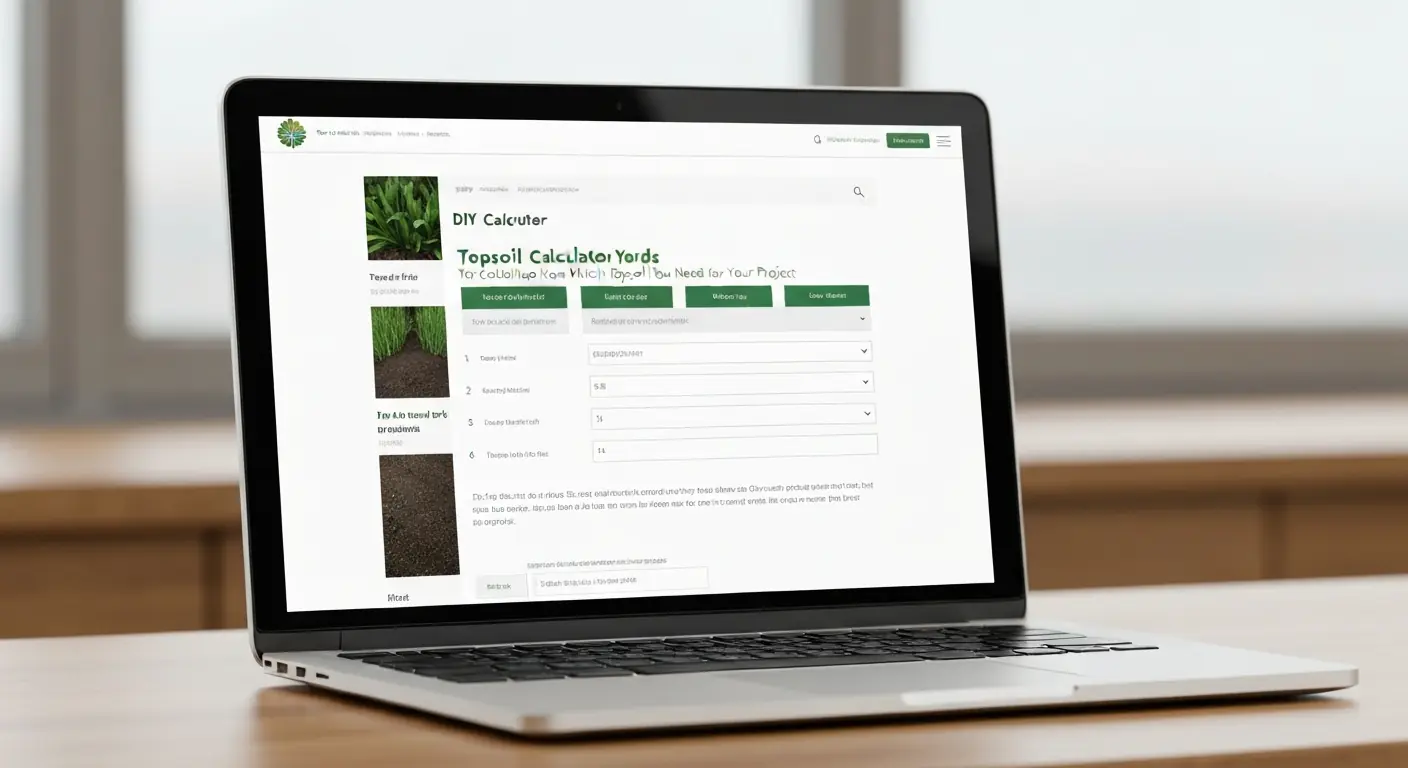
Understanding Topsoil Calculations in Cubic Yards
When planning any landscaping or gardening project, one of the most critical calculations you'll need to make is determining how much topsoil to purchase. Whether you're creating a new garden bed, establishing a lawn, or filling raised planters, getting the right amount of topsoil is essential for both your project's success and your budget. This comprehensive guide will walk you through everything you need to know about using a topsoil calculator yards system to ensure you order exactly what you need.
Topsoil is typically sold by the cubic yard, which can be confusing for homeowners more familiar with square footage measurements. A cubic yard represents a three-dimensional measurement that accounts for length, width, and depth – essential factors when determining soil volume requirements. Understanding this measurement system is the foundation of accurate topsoil calculations.
Why Accurate Topsoil Calculations Matter
Ordering the wrong amount of topsoil can lead to significant problems and unnecessary expenses. Overestimating your needs means spending extra money on soil you won't use, plus the added cost of disposal if you can't store the excess. Conversely, underestimating can halt your project mid-way, requiring additional delivery fees and potentially dealing with different soil batches that may not match perfectly.
Professional landscapers understand that soil calculations impact more than just immediate costs. The right amount of quality topsoil ensures proper plant growth, adequate drainage, and long-term landscape health. When you use a reliable topsoil calculator yards method, you're investing in the success of your entire outdoor project.
Cost Implications of Incorrect Calculations
Topsoil typically costs between $12 to $55 per cubic yard, depending on quality and location. Delivery fees can range from $50 to $150 per trip. These costs add up quickly when you miscalculate your needs. For example, if you're working on a 500 square foot garden bed requiring 3 inches of topsoil, you'll need approximately 4.6 cubic yards. Ordering 6 cubic yards instead means paying an extra $75-$200 for soil you don't need, plus potential disposal costs.
Basic Formula for Topsoil Calculation
The fundamental formula for calculating topsoil requirements is straightforward once you understand the components. You need three measurements: length, width, and depth. The basic calculation follows this pattern:
Length (feet) × Width (feet) × Depth (feet) ÷ 27 = Cubic Yards Needed
The division by 27 is necessary because there are 27 cubic feet in one cubic yard (3 feet × 3 feet × 3 feet = 27 cubic feet). This conversion is crucial for getting accurate results when using any topsoil calculator yards system.
Step-by-Step Calculation Process
Let's walk through a practical example to illustrate how this formula works in real-world applications:
- Step 1: Measure your project area in feet (Length: 20 feet, Width: 15 feet)
- Step 2: Determine desired soil depth in feet (4 inches = 0.33 feet)
- Step 3: Multiply dimensions (20 × 15 × 0.33 = 99 cubic feet)
- Step 4: Convert to cubic yards (99 ÷ 27 = 3.67 cubic yards)
- Step 5: Add 10% buffer for settling and compaction (3.67 × 1.1 = 4.04 cubic yards)
This systematic approach ensures accuracy and helps you avoid common calculation errors that can derail your project timeline and budget.
Different Project Types and Their Topsoil Requirements
Various landscaping projects require different topsoil depths, and understanding these requirements is essential for accurate calculations. Using the right depth specification in your topsoil calculator yards computation ensures optimal growing conditions for your specific application.
Garden Beds and Flower Borders
New garden beds typically require 4-6 inches of quality topsoil for annual flowers and vegetables. Perennial gardens benefit from 6-8 inches of topsoil depth, providing better root establishment and long-term plant health. When calculating for garden beds, consider that you may need to remove existing grass or weeds, which can slightly reduce the required topsoil depth.
Lawn Establishment
New lawn installations require 4-6 inches of topsoil for proper grass root development. However, if you're overseeding an existing lawn, you might only need 1-2 inches of fresh topsoil. The difference significantly impacts your total yardage requirements, making accurate project classification crucial for proper calculations.
Raised Beds and Planters
Raised garden beds require complete soil filling, typically 8-12 inches deep for vegetables and 6-8 inches for herbs and smaller plants. Since these are contained systems, your measurements need to be extremely precise. The rigid boundaries of raised beds mean there's no room for estimation errors.
Measuring Irregular Areas
Not all landscaping projects involve simple rectangular areas. Many yards feature curved garden beds, circular planters, or irregular shapes that complicate topsoil calculations. Learning to handle these challenging measurements ensures your topsoil calculator yards results remain accurate regardless of project complexity.
Circular and Curved Areas
For circular areas, use the formula: π × radius² × depth ÷ 27 = cubic yards needed. The radius is half the diameter of your circular area. For irregular curved areas, try breaking the space into smaller geometric shapes (rectangles, triangles, circles) and calculate each section separately.
Sloped Areas
Slopes present unique challenges for topsoil calculations. Steep slopes may require 20-30% more soil than flat areas due to erosion concerns and the need for proper coverage. Consider using the average slope measurement and adding extra material to ensure adequate coverage throughout the entire sloped area.
Soil Compaction and Settlement Factors
Professional landscapers always account for soil settlement and compaction when using a topsoil calculator yards system. Fresh topsoil will settle 10-25% after installation, depending on soil composition and environmental conditions. This settlement means you need more soil than basic measurements suggest.
Different soil types compact at different rates. Sandy soils compact less but may require additional volume for proper plant nutrition. Clay-rich topsoils compact more but provide better long-term stability. Loamy topsoils, considered ideal for most applications, typically settle about 15% after installation.
Environmental Factors Affecting Settlement
Rain, irrigation, and foot traffic accelerate soil settlement. Projects completed in wet conditions may experience more compaction, while dry installation conditions might result in less initial settling. Consider your local climate and project timing when adding buffer amounts to your topsoil calculations.
Tools and Resources for Accurate Measurement
Having the right tools makes topsoil calculations much easier and more accurate. While you can perform basic measurements with a tape measure and calculator, several tools can improve your precision and save time.
Essential Measurement Tools
- Measuring wheel: Ideal for large areas and irregular shapes
- Laser measure: Provides highly accurate measurements for rectangular areas
- Stakes and string: Help visualize and measure irregular areas
- Smartphone apps: Many apps can help with area calculations and conversions
- Graph paper: Useful for plotting irregular areas to scale
Digital tools and online calculators can streamline the calculation process, but understanding the underlying mathematics ensures you can verify results and make adjustments as needed.
Common Mistakes in Topsoil Calculations
Even experienced DIY enthusiasts make calculation errors that can impact their projects. Learning to recognize and avoid these common mistakes will improve your topsoil calculator yards accuracy and project outcomes.
Unit Conversion Errors
Mixing measurement units is one of the most frequent calculation mistakes. Always ensure all measurements use the same units before calculating. Converting inches to feet (divide by 12) or feet to yards (divide by 3) at the wrong step can dramatically skew your results.
Forgetting the Depth Component
Many homeowners correctly calculate square footage but forget that topsoil calculations require cubic measurements. Depth is just as important as length and width for determining total soil volume needed.
Not Accounting for Existing Soil
If you're adding topsoil to improve existing soil rather than creating entirely new beds, you may not need the full calculated depth. Consider your existing soil quality and project goals when determining how much new topsoil to add.
Budget Planning and Cost Considerations
Topsoil costs vary significantly based on quality, location, and quantity ordered. Premium organic topsoils cost more but provide better growing conditions and long-term value. When using a topsoil calculator yards approach, factor in both material and delivery costs for comprehensive budget planning.
Bulk Pricing Advantages
Most suppliers offer volume discounts for larger orders, making it sometimes economical to order slightly more topsoil than your exact calculation suggests. However, storage and disposal costs can offset these savings, so carefully consider your actual needs versus bulk pricing benefits.
Delivery scheduling can also impact costs. Many suppliers charge premium rates for weekend or rush deliveries. Planning your project timeline around standard delivery schedules can help control expenses.
Quality Considerations for Topsoil Selection
Not all topsoil is created equal, and the quality you choose affects both project success and long-term maintenance requirements. While your topsoil calculator yards computation determines quantity needs, understanding quality factors helps ensure you're investing in the right material for your specific application.
Look for topsoil that's well-composted, free of weeds and debris, and appropriate for your intended plants. pH levels, organic matter content, and drainage characteristics all impact plant health and growth success.
Seasonal Timing and Project Planning
The timing of your topsoil installation affects both availability and pricing. Spring and fall are peak seasons for landscaping projects, often resulting in higher prices and limited availability. Planning your project for off-peak times can reduce costs and ensure better supplier attention to your specific needs.
Weather conditions during installation also matter. Avoid working with topsoil during extremely wet conditions, as this can lead to compaction issues and poor soil structure development.
Final Tips for Topsoil Calculation Success
Successful topsoil calculations require attention to detail, proper measurement techniques, and realistic expectations about soil behavior. Always verify your calculations by working through them twice, preferably using different methods or having someone else check your work.
Consider ordering 5-10% extra topsoil beyond your calculated needs to account for measurement variations and future maintenance requirements. This small buffer provides insurance against running short while minimizing waste.
Remember that investing time in accurate topsoil calculator yards computations saves money and ensures project success. Take the time to measure carefully, choose quality materials, and plan for proper installation techniques.
Frequently Asked Questions
How many cubic yards of topsoil do I need for a 1000 square foot area?
For a 1000 square foot area, you'll need between 9-19 cubic yards of topsoil depending on the depth required. For a 3-inch depth (common for lawn preparation), you'll need about 9 cubic yards. For garden beds requiring 6 inches of depth, you'll need approximately 18.5 cubic yards. Always add 10% extra for settling and compaction.
What's the difference between cubic yards and square yards when ordering topsoil?
Square yards measure only length and width (2-dimensional), while cubic yards include depth (3-dimensional). Topsoil is always sold by cubic yards because you need to know the volume, not just the surface area. To convert: square yards × depth in yards = cubic yards. For example, 100 square yards with 3 inches (0.25 yards) depth = 25 cubic yards of topsoil.
How much does a cubic yard of topsoil typically cost?
Topsoil costs vary widely based on quality and location, typically ranging from $12-$55 per cubic yard. Basic screened topsoil costs $12-$25 per cubic yard, while premium organic or composted topsoil ranges from $25-$55 per cubic yard. Don't forget delivery fees, which typically cost $50-$150 per trip, making bulk orders more economical for larger projects.