How Much Gravel Do I Need?
· By DIY Calc
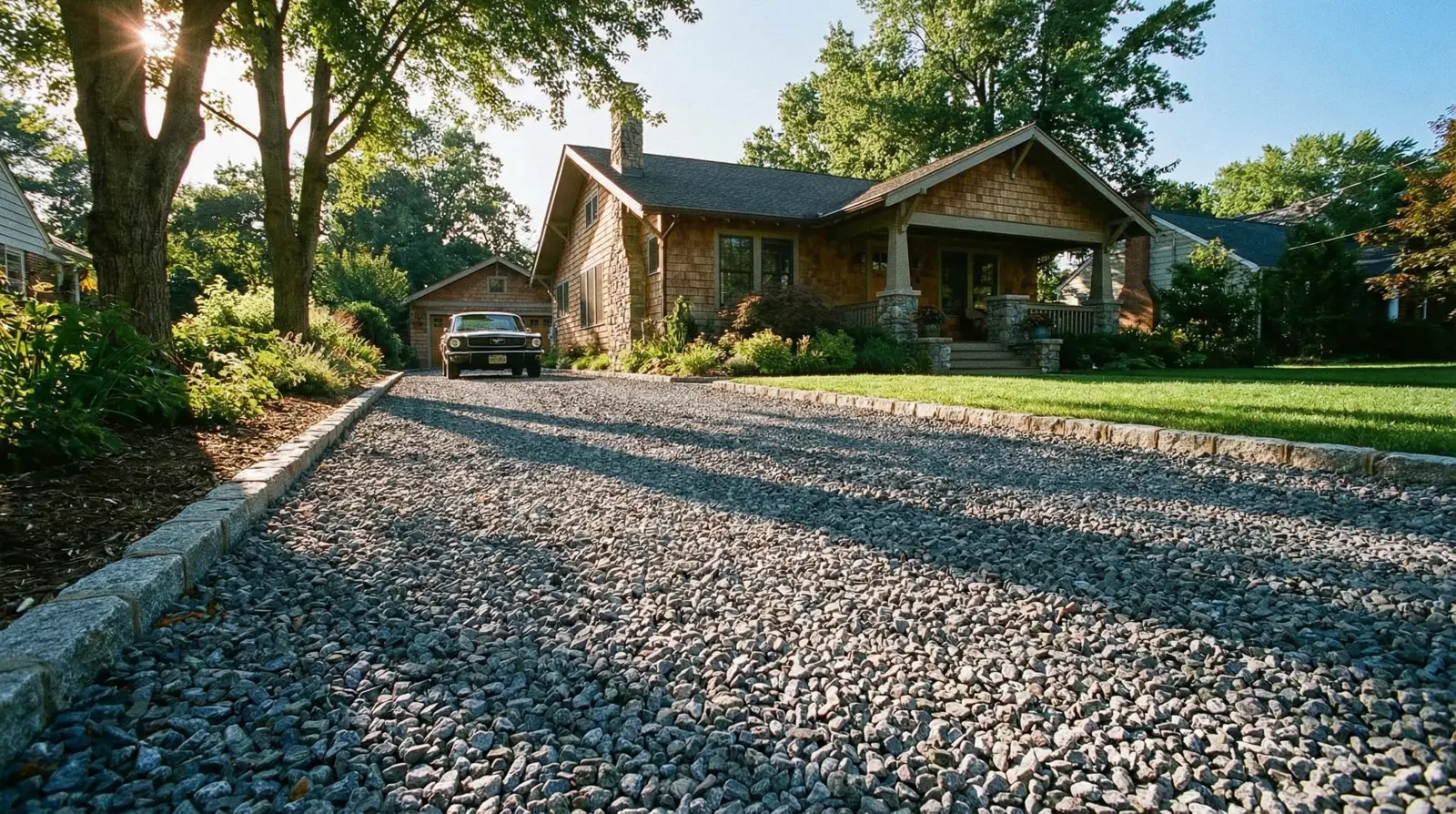
Quick answer: Multiply your length × width × depth (all in feet), divide by 27 to get cubic yards, then multiply by 1.4 to get tons. A 10×20 foot driveway section at 4 inches deep needs about 1.38 tons, roughly 1 cubic yard of gravel.
Skip the math, use our free Gravel Calculator →
The Gravel Formula (Step by Step)
Calculating gravel is similar to concrete, with one extra step, converting volume to weight since gravel is sold by the ton.
- Measure your area, length and width in feet
- Decide on depth, typically 2–4 inches for most projects
- Convert depth to feet, divide inches by 12
- Calculate cubic feet, length × width × depth
- Convert to cubic yards, divide cubic feet by 27
- Convert to tons, multiply cubic yards by 1.4 (average gravel weighs about 2,800 lbs per cubic yard)
- Add 10% extra, for compaction, spreading loss, and uneven ground
Real Example: 12×24 Driveway Pad, 3 Inches Deep
12 × 24 × 0.25 = 72 cubic feet
72 ÷ 27 = 2.67 cubic yards
2.67 × 1.4 = 3.73 tons
With 10% extra: 4.1 tons
Gravel Types and When to Use Each
Not all gravel is created equal. The right type depends on your project, your budget, and whether you need drainage, stability, or curb appeal.
Crushed Stone (¾ inch)
The workhorse of gravel projects. Angular edges lock together for a stable surface. Best for driveways, parking pads, and base layers. Costs $30–$50 per ton delivered.
Pea Gravel (⅜ inch)
Smooth, rounded stones in natural earth tones. Great for walkways, patios, dog runs, and between pavers. Doesn't compact well, so it shifts underfoot, not ideal for driveways. Costs $35–$55 per ton.
Decomposed Granite
Fine, sand-like gravel that compacts into a firm surface. Popular for garden paths, xeriscaping, and rustic patios. Needs edging to stay in place. Costs $25–$50 per ton.
River Rock (1–3 inches)
Large, smooth stones for decorative landscaping, dry creek beds, and drainage features. Too large and slippery for walking surfaces. Costs $50–$100 per ton.
Crusher Run (Road Base)
A mix of crushed stone and stone dust that compacts into an extremely solid base. The go-to choice for driveway bases, shed pads, and under concrete slabs. Costs $20–$40 per ton, the most affordable option.
Recommended Gravel Depths by Project
- Walkways and garden paths: 2 inches
- Patios and sitting areas: 2–3 inches
- Driveways (light traffic): 3–4 inches
- Driveways (heavy traffic): 6+ inches (layered)
- Shed pads and bases: 4–6 inches of compacted crusher run
- French drains: Fill the trench (typically 12–18 inches)
- Under concrete slabs: 4 inches of compacted base
How Many Square Feet Does a Ton of Gravel Cover?
This depends entirely on depth:
- At 2 inches deep: ~100 sq ft per ton
- At 3 inches deep: ~65 sq ft per ton
- At 4 inches deep: ~50 sq ft per ton
- At 6 inches deep: ~33 sq ft per ton
These are estimates for standard crushed stone. Lighter gravels like pea gravel cover slightly more; heavier materials like river rock cover less.
Gravel Delivery: What to Know
Most landscape suppliers deliver gravel by the truckload. Here's what to expect:
- Minimum order: Usually 1–2 tons (some suppliers have no minimum)
- Delivery fee: $50–$150 depending on distance
- Dump truck capacity: A standard dump truck holds 12–15 tons
- Where they dump: They'll drop it in your driveway or as close as the truck can get. You'll need to spread it yourself or hire help.
Pro tip: If you only need a small amount (under 1 ton), buy bagged gravel from a home center. It's more expensive per pound but you avoid delivery fees and minimum orders. A 50 lb bag covers about 2–3 square feet at 2 inches deep.
Common Mistakes to Avoid
Skipping the landscape fabric
Without a weed barrier underneath, you'll be pulling weeds through your gravel within months. Lay landscape fabric before spreading gravel, it's cheap insurance.
Wrong gravel for the job
Pea gravel on a sloped driveway will wash away. River rock on a walkway is a twisted ankle waiting to happen. Match the gravel type to your project.
Not compacting the base
For driveways and pads, you need to compact each layer. Rent a plate compactor for about $50/day, it makes the difference between a solid surface and a sinking mess.
Forgetting edging
Gravel migrates. Without edging (steel, plastic, or timber), your gravel will slowly spread into the lawn, garden, and everywhere you don't want it.
Frequently Asked Questions
How much does gravel cost?
Bulk gravel ranges from $20–$100 per ton depending on type. Crusher run is cheapest at $20–$40/ton. Decorative river rock is most expensive at $50–$100/ton. Add $50–$150 for delivery.
How thick should a gravel driveway be?
A proper gravel driveway should be 6–8 inches total, built in layers: 4 inches of large crusher run base, topped with 2–3 inches of smaller finish gravel. Each layer should be compacted before adding the next.
Can I put gravel over grass?
You can, but you shouldn't. The grass will decompose and create soft spots. Remove the sod, grade the soil, lay landscape fabric, then add gravel for a surface that lasts.
How do I keep gravel from washing away?
Use angular crushed stone (not round pea gravel), install proper edging, grade the area for drainage, and consider a grid stabilization system for slopes.
Related: Concrete Calculator · Shed Material Calculator · Concrete Guide