Fence Cost Calculator: Plan Your Perfect Fencing Project Within Budget
· By DIY Calc
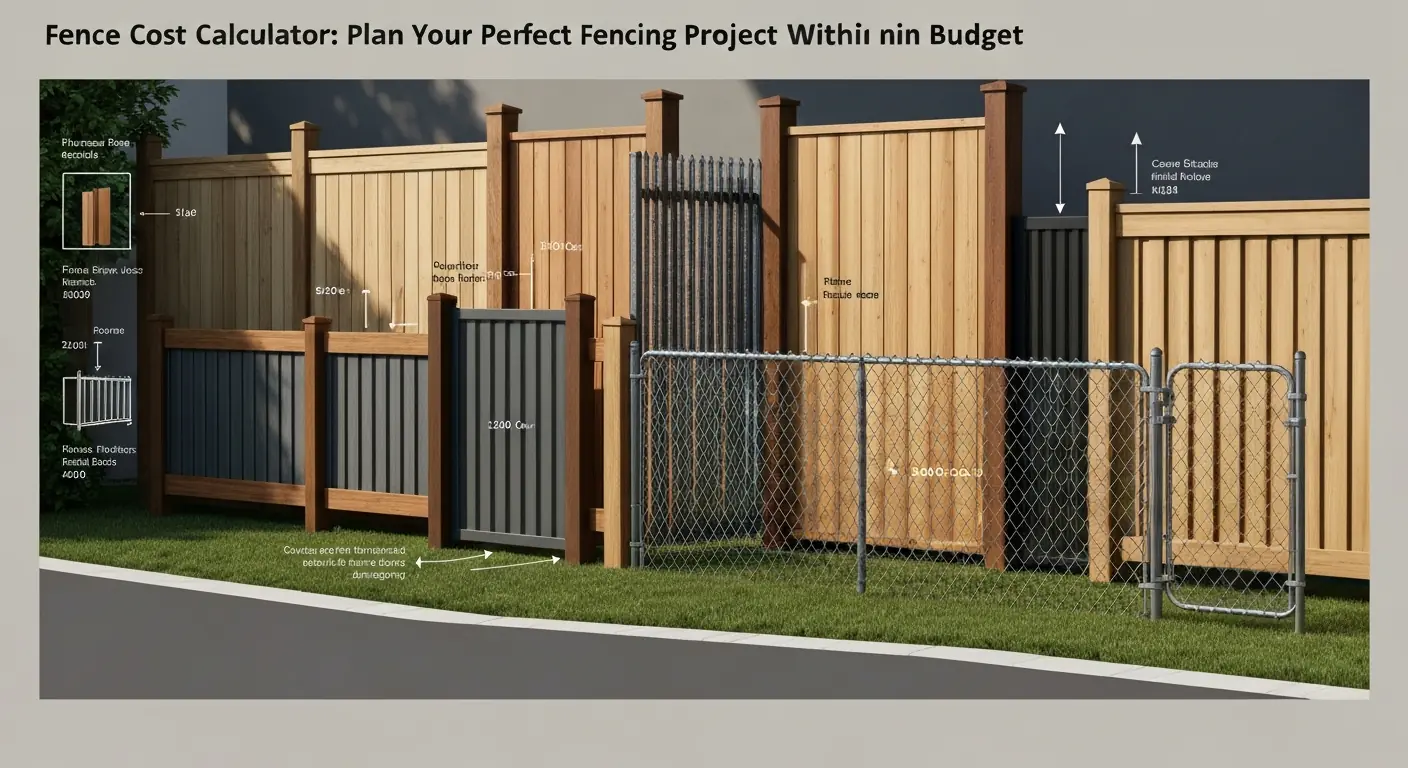
Why You Need a Fence Cost Calculator for Your Project
Planning a new fence installation or replacement can be overwhelming, especially when trying to estimate the total costs involved. A fence cost calculator is an essential tool that helps homeowners and contractors determine accurate project expenses before breaking ground. Whether you're considering privacy fencing, decorative borders, or security barriers, understanding the financial investment upfront prevents budget surprises and ensures you make informed decisions.
Modern fence cost calculators take into account numerous variables that affect your final price, including materials, labor, permits, site preparation, and regional pricing differences. By using these digital tools, you can compare different fencing options, adjust project specifications, and find solutions that fit your budget while meeting your property's needs.
Key Factors That Influence Fence Costs
Understanding what drives fencing expenses helps you use any fence cost calculator more effectively. Several critical factors determine your project's total investment:
Material Selection
Your choice of fencing material significantly impacts overall costs. Here are common options and their typical price ranges:
- Wood Fencing: Cedar, pine, and pressure-treated lumber offer natural beauty but require ongoing maintenance
- Vinyl Fencing: Higher upfront costs but minimal maintenance requirements over time
- Metal Fencing: Aluminum and steel provide durability and security with moderate pricing
- Chain Link: Most economical option for large areas requiring basic boundary definition
- Composite Materials: Premium pricing for low-maintenance, long-lasting synthetic options
Fence Height and Style
Taller fences require more materials and labor, directly increasing project costs. Standard residential heights range from 4 feet for decorative purposes to 8 feet for privacy and security. Specialized styles like lattice tops, decorative panels, or custom designs add complexity and expense to your project.
Linear Footage and Property Layout
The total length of fencing needed forms the foundation of cost calculations. Properties with irregular shapes, slopes, or obstacles require additional planning and materials. Gates, corners, and elevation changes also influence the final price through increased hardware and labor requirements.
Site Preparation Requirements
Ground conditions affect installation difficulty and costs. Rocky soil, existing vegetation removal, utility line marking, and drainage considerations can add substantial expenses to your project. A quality fence cost calculator accounts for these site-specific factors.
How to Use a Fence Cost Calculator Effectively
Maximizing the accuracy of your fence cost calculator results requires careful preparation and honest assessment of your project needs. Follow these steps for the most reliable estimates:
Measure Your Property Accurately
Start by measuring the perimeter where fencing will be installed. Use a measuring wheel or professional surveying tools for precision. Mark any gates, corners, or special features that require additional hardware or customization. Document elevation changes and note any obstacles like trees, utility boxes, or existing structures.
Research Local Material Costs
Fencing material prices vary significantly by region due to shipping costs, local suppliers, and market demand. Contact local lumber yards, home improvement stores, and fencing contractors to gather current pricing information. This research helps you verify calculator results against real-world market conditions.
Consider Installation Complexity
Honest assessment of installation difficulty ensures accurate cost estimates. Factors like soil type, accessibility, permit requirements, and timeline constraints all influence final pricing. Professional installation typically costs 50-100% more than materials alone, depending on project complexity.
Plan for Additional Expenses
Smart fence cost calculator users budget for extras beyond basic materials and labor. Consider these additional expenses:
- Building permits and inspection fees
- Utility line location services
- Site cleanup and debris removal
- Landscaping restoration after installation
- Gate hardware and locking mechanisms
- Staining, painting, or weatherproofing treatments
Comparing DIY vs. Professional Installation Costs
Your fence cost calculator should help evaluate both do-it-yourself and professional installation options. Each approach offers distinct advantages and cost considerations:
DIY Installation Benefits
Homeowners with construction experience can save 40-60% on total project costs by handling installation personally. DIY projects allow complete control over materials, timeline, and quality standards. You can work at your own pace and make adjustments as needed without contractor consultation.
However, DIY installation requires significant time investment, specialized tools, and physical capability. Mistakes can be costly to correct, and some jurisdictions require professional installation for permit compliance.
Professional Installation Advantages
Licensed contractors bring expertise, proper equipment, and installation warranties to your project. They handle permits, utility coordination, and cleanup while ensuring code compliance. Professional installation typically completes faster than DIY approaches and includes liability coverage.
The trade-off involves higher costs and less direct control over project details. Quality varies among contractors, making research and reference checking essential for successful outcomes.
Seasonal Considerations for Fence Installation
Timing your fencing project affects both costs and installation success. A comprehensive fence cost calculator should account for seasonal price variations and weather-related factors:
Spring Installation
Peak demand during spring months often increases both material and labor costs. However, favorable weather conditions and contractor availability make spring ideal for complex projects requiring extensive site preparation.
Summer Projects
Hot weather can complicate installation but generally offers stable pricing and good working conditions. Summer projects work well for DIY installations when homeowners have more available time.
Fall Advantages
Contractor demand typically decreases in fall, potentially reducing labor costs. Cooler temperatures make physical work more comfortable, and material suppliers may offer end-of-season discounts.
Winter Considerations
Cold weather and frozen ground can complicate installation, but winter often provides the lowest pricing for both materials and labor. Plan winter projects carefully around weather windows and material delivery schedules.
Maintenance Costs and Long-Term Value
Smart fence cost calculator users consider ongoing maintenance expenses when evaluating different fencing options. Initial installation represents only part of your total investment over the fence's lifespan:
Wood Fence Maintenance
Natural wood requires regular staining or painting every 2-3 years, plus repairs for damaged boards, loose hardware, and weather-related issues. Budget approximately 10-15% of initial installation costs annually for proper maintenance.
Vinyl and Composite Care
Synthetic materials require minimal maintenance beyond occasional cleaning and hardware inspection. Higher upfront costs often prove economical over 15-20 year lifecycles through reduced maintenance expenses.
Metal Fence Upkeep
Aluminum fencing requires little maintenance beyond cleaning and hardware inspection. Steel and iron fencing need regular rust prevention treatments and paint touch-ups to maintain appearance and structural integrity.
Getting the Most Accurate Results
To maximize your fence cost calculator accuracy, gather detailed project information before beginning calculations. Create a simple sketch showing your property layout, noting dimensions, gate locations, and any special requirements. Take photos of the installation area, including ground conditions, existing structures, and access points.
Contact multiple local suppliers for current material pricing, and request quotes from several contractors for comparison purposes. This research validates calculator results and helps identify the most cost-effective approaches for your specific project.
Remember that fence cost calculators provide estimates based on typical conditions and average pricing. Unique site requirements, premium materials, or complex designs may increase costs beyond calculator predictions. Always include a 10-15% contingency in your budget for unexpected expenses or project modifications.
Making Your Final Decision
A quality fence cost calculator empowers you to make informed decisions about your fencing project. Use the estimates to compare different materials, styles, and installation approaches while considering both immediate costs and long-term value. Factor in your property's specific needs, local climate conditions, and personal preferences when selecting the optimal fencing solution.
Whether you choose DIY installation or professional contractors, thorough planning and accurate cost estimation set the foundation for successful fence projects that enhance your property's value, privacy, and security for years to come.
Frequently Asked Questions
How accurate are fence cost calculator estimates compared to actual project costs?
Fence cost calculators typically provide estimates within 15-25% of actual costs when used with accurate measurements and current local pricing data. Accuracy improves when you account for site-specific factors like soil conditions, permits, and regional labor rates. Always add a 10-15% contingency to calculator estimates for unexpected expenses or project modifications.
What information do I need before using a fence cost calculator?
Gather these key details: exact linear footage measurements, desired fence height and style, preferred materials, number and size of gates needed, soil conditions, elevation changes, and local permit requirements. Also research current material prices from local suppliers and labor rates from area contractors to verify calculator assumptions.
Should I include permit costs when calculating my fence project budget?
Yes, always include permit costs in your fence budget calculations. Permit fees typically range from $50-$400 depending on your location and project scope. Some areas also require professional surveys, utility line marking, or inspections that add to total costs. Check with your local building department for specific requirements before starting your project.